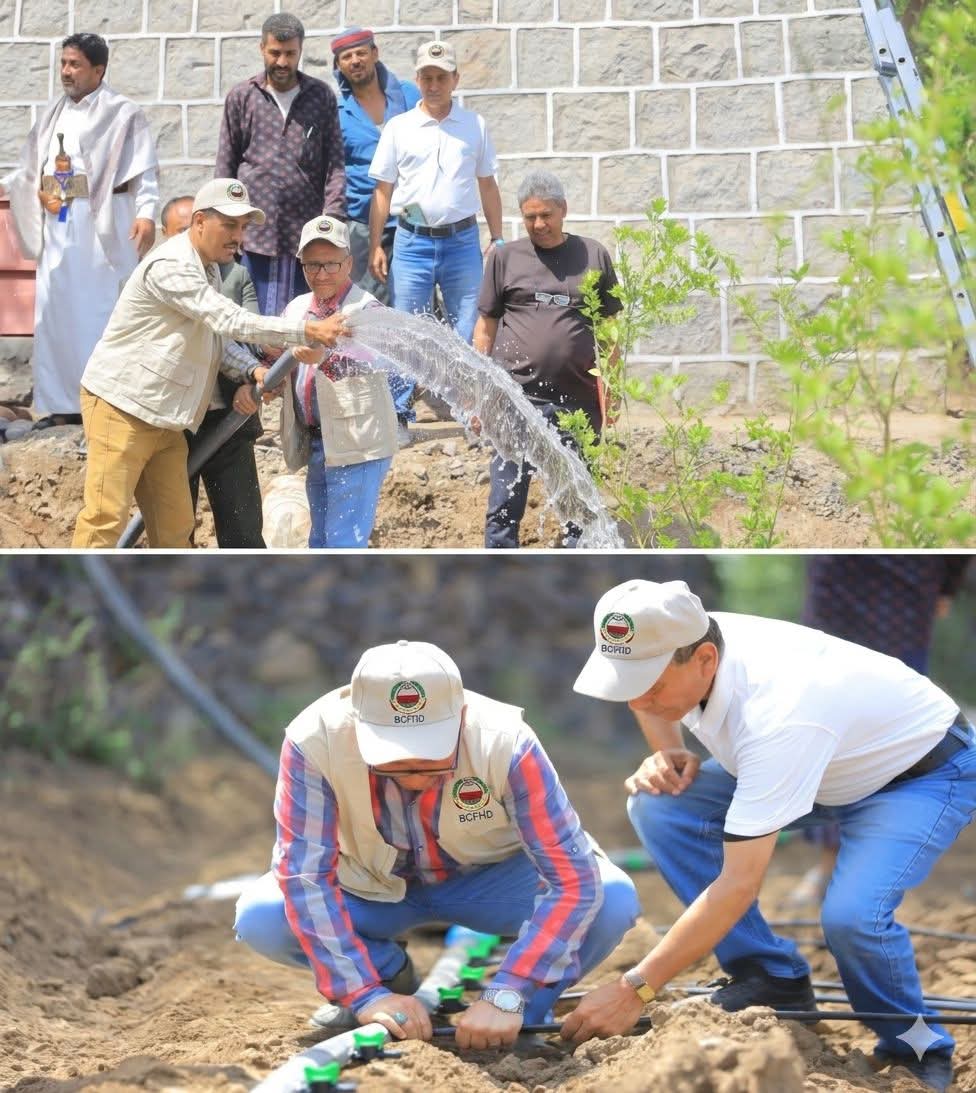


A recent field study conducted by the Bena Charity for Human Development BCFHD on the level of climate change awareness and adaptation strategies among farmers in Taiz Governorate has revealed that while the majority of farmers possess broad practical awareness of changing rainfall patterns, rising temperatures, and the increasing frequency of extreme climate events such as droughts and flash floods, they lack systematic scientific understanding of the root causes of climate change and sustainable adaptation mechanisms. This gap is reflected in the limited adoption of effective, long-term solutions in the agricultural sector.
According to the study, this knowledge gap coincides with pressing challenges facing Taiz, including water scarcity, depletion of groundwater resources, widespread water-intensive agricultural practices, a lack of agricultural extension services, poor access to reliable climate information, and the high cost of modern agricultural technologies. These factors weaken the ability of farmers—particularly the most vulnerable groups—to transition to climate-smart practices.
Water in Taiz at the Heart of the Crisis
The study identifies water management as the greatest challenge to effective adaptation. It notes that continued over-extraction, climate pressures, and conflict-related damage to infrastructure are exacerbating the fragility of agricultural livelihoods and threatening food security. The study further emphasizes that an effective response requires a package of policy and local governance measures, including regulating water use, halting illegal well drilling, and enabling participatory basin management.
On water governance, the study recommends specific actions, including issuing a decree establishing water use priorities (domestic first, then livestock, then industrial), restricting irrigation from deep wells to ensure sustainability, developing national regulations for water management at catchment level, enforcing laws to prevent illegal drilling, imposing stricter penalties, and setting safe distances between wells along with sustainable extraction rates.
Early Warning and Response Plans
Regarding climate risk management, the study stressed the importance of early warning systems as a tool to save lives and reduce losses from floods and landslides. It called for the establishment and operation of warning systems covering all of Yemen, enabling citizens to take response actions before extreme events occur.
The study also documented outcomes from local events in Taiz that discussed the impacts of floods and climate disasters, resulting in practical recommendations including: developing a comprehensive multi-sectoral response plan for Taiz Governorate, establishing an early warning system at the district level, mapping areas prone to floods and landslides, strengthening community-based reporting, training community committees, coordinating with humanitarian partners, funding environmental infrastructure projects, and implementing sustained environmental awareness campaigns.
BCFHD: “Evidence-Led Intervention”
In linking recommendations to practice, the study notes that the Environment and Climate Department of BCFHD has conducted a series of meetings and field visits to several official authorities in Taiz Governorate—including the offices of Environment, Agriculture, Water, Health, Sanitation and Improvement, Education, Planning, and Public Works, as well as the Environment Department at the University of Taiz. These engagements aimed to discuss key environmental challenges and their impacts, services provided during peacetime and emergencies, propose improvements, and identify priority projects to address them.
BCFHD on views this approach as reflecting an “evidence-led intervention” methodology, moving from field-based identification of gaps and needs to the formulation of actionable priorities that can be translated into response plans, and projects in water, agriculture, and disaster risk reduction. This ensures that programs are tailored to local realities and enhances sustainability and community acceptance.
Climate-Smart Agriculture
At the agricultural level, the study strongly recommends redirecting investments toward climate-smart agriculture by supporting rain-fed farming and drought-resistant crops, reducing water-intensive crops such as qat in favor of food security, and regulating groundwater use.
The study also recommends a set of direct field actions for farmers and communities, including: adjusting planting schedules according to drought and rainfall seasons, promoting resistant and fast-maturing crops, diversifying crops, adopting modern irrigation techniques such as drip irrigation and rainwater harvesting, promoting conservation and organic agriculture to improve soil fertility and reduce water loss, introducing decision-support tools such as remote sensing and climate forecasting, as well as implementing training programs and workshops, and enabling farmers to access small grants and loans to adopt adaptation technologies.
Recommendations Beyond Agriculture
The study’s recommendations extend beyond agriculture and water. It calls for raising environmental awareness through education, media, and training, integrating environmental issues into curricula from early grades through university, effectively enforcing environmental laws and regulations, reducing pollution from petroleum derivatives and waste, regulating plastic management, and developing sustainable waste disposal methods in cities and villages.
The study also emphasizes the importance of involving the local community—especially women, youth, and marginalized groups—in the design and implementation of adaptation programs, as their participation is a key factor in strengthening community resilience.